
 Back to Insights
 14 Nov, 2025
 SPRG Guangzhou
Pick up your parents’ or grandparents’ phones these days, and there’s a good chance you’ll find them engrossed in a steady stream of bite-sized micro-dramas about everyday life. Meanwhile, the feeds of younger audiences are filled with screenshots from fantasy and xianxia[1] series – shows packed with dramatic twists and “feel-good” moments.
One online comment captures the obsession perfectly: “Ever since I started watching micro-dramas, I don’t feel like going to work, cooking, or even gaming anymore. I just want to be reborn[2] every day… Sure, I might be getting a bit less sharp, but at least I’m happy!”
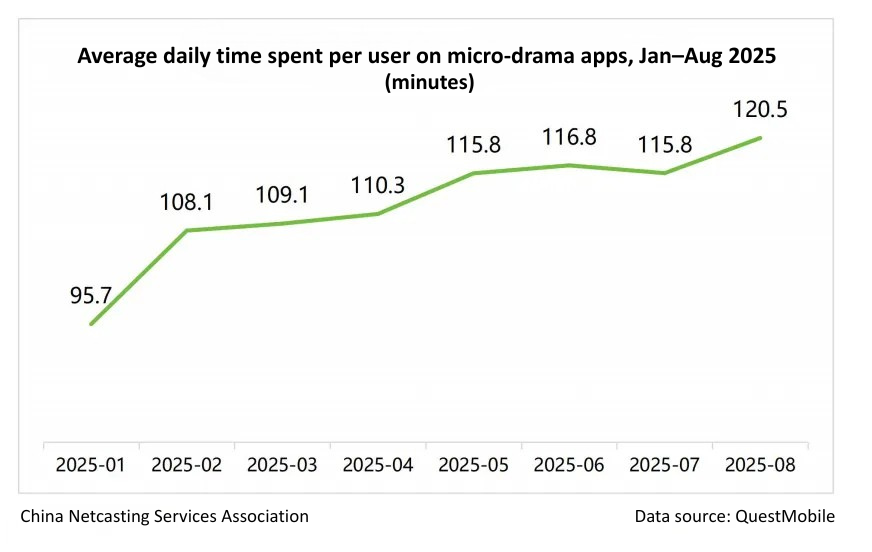
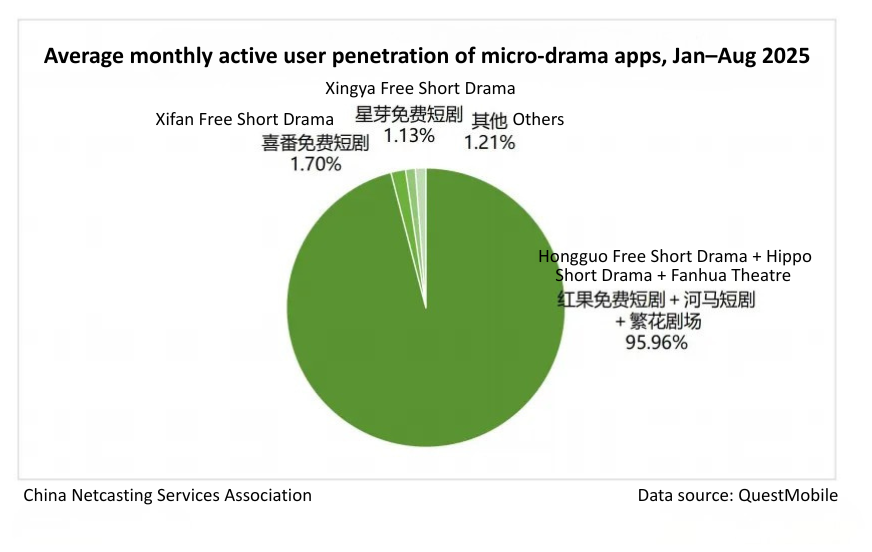
What started as a niche entertainment format has become a cross-generational phenomenon. And now, the latest data from the China Internet Development Report 2025 are revealing the true scale and potential of the micro-drama boom.
01 | Silver Spenders Rise, Younger Viewers Chase Excitement
The report also highlights an increasingly clear split in audience behaviour across different age groups. The “silver generation” (aged 55 and above) has emerged as a new driving force in paid consumption. This group tends to favour realistic, emotionally grounded storylines, from neighbourhood disputes to family dynamics. These relatable plots often strike a deep emotional chord and fuel late-night binge-watching habits.
 Image source: Internet
Meanwhile, female users continue to dominate spending, accounting for as much as 68% of paid consumption across genres like romance, family dramas, and workplace stories. Younger audiences, particularly those aged 18 to 25, are drawn to something completely different: fast-paced, high-stimulation entertainment. Fantasy, xianxia, and creative interpretations of intangible cultural heritage are especially popular. These users don’t just watch – they remix, meme and share content, making them a major driver for viral reach and organic engagement.
 Image source: Internet
The numbers speak for themselves. China’s micro-drama audience has hit 662 million—meaning roughly one in every two people is watching. In 2024 alone, the market was worth more than RMB 50.44 billion, surpassing China’s annual box office revenue (around RMB 47 billion) for the first time and firmly establishing micro-dramas as a powerful new force reshaping the entertainment landscape.
02 | Breaking Down Micro-Dramas: What are They, and Why are They So Addictive?
Micro-dramas are very much a product of today’s fragmented, always-on world. Unlike traditional TV or film, they are built around speed and simplicity. Episodes are often just one to five minutes long, with fast-moving plots, dramatic twists, and emotionally charged storylines packed into every scene. They’re mostly shared on platforms like Douyin, Kuaishou, and WeChat channels.
When it comes to content, the genre spans everything from real-life stories and workplace narratives to romance and fantasy. Formats also vary—from horizontal and vertical viewing to mini-program series—allowing creators to cater for different viewing habits and audience preferences.
Their rapid rise isn’t a coincidence. In many ways, micro-dramas are perfectly tailored to modern lifestyles and emotional needs.
First, they fit seamlessly into those pockets of free time. Whether during a commute, a lunch break, or the last few minutes before bed, viewers can easily get through several episodes without setting aside dedicated time.
But their appeal goes beyond just convenience – their content is accessible and emotionally resonant. For older audiences, micro-dramas offer grounded, real-life stories that feel familiar. For younger viewers, they serve as a form of instant fantasy and escapism.
And because episodes are so short, watching “just one more” becomes an easy habit.
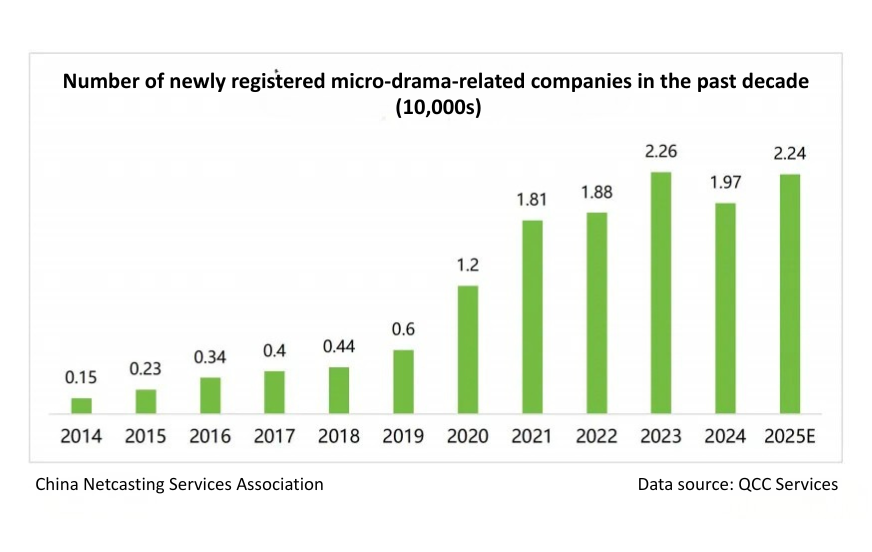
Platform algorithms have also played a crucial role in the rise of micro-dramas. Precision targeting allows these series to quickly reach the right audiences and create an efficient content distribution loop. At the same time, the low entry barriers and relatively quick returns have attracted a growing wave of companies and individual creators, further accelerating the market’s expansion.
03 | Future Trends: Premium Content, Diversification and a Tech-Driven Approach
As audience expectations rise and competition intensifies, the micro-drama industry is moving beyond its “wild growth” phase and into a new era focused on quality. Platforms are raising their content standards, pushing creators to ditch cheap gimmicks in favour of tighter storytelling and deeper character development. At the same time, traditional film and TV studios are entering the space, bringing with them more professional production and long-form storytelling expertise – raising the overall standard of the industry.
In January 2025, China’s National Radio and Television Administration launched the “Micro-drama+” initiative to encourage the sector’s evolution towards premium, mass-market and international content. And international momentum is growing fast. Between January and August 2025, total revenue from overseas micro-drama markets reached USD 1.525 billion, up 194.9% year-on-year, while related apps recorded around 730 million downloads globally. Chinese companies are leading the charge, and “new Chinese-style storytelling” is gaining fans worldwide.
At the same time, the micro-drama ecosystem is expanding through cross-sector integration. We’re now seeing formats such as “micro-dramas + cultural tourism”, “micro-dramas + brands” and “micro-dramas + intangible cultural heritage”, turning these series into powerful bridges connecting users, brands, destinations and culture. IP-based development is also emerging as a key trend. Adapting established IPs into micro-dramas helps reduce creative risk while instantly attracting existing fanbases, which explains the explosion of short-form series based on popular online literature.
And then, of course, there’s AI. AI technologies are becoming one of the biggest engines shaping both the production and business side of the micro-drama industry. From scriptwriting assistance and automated storyboarding to real-time audience analysis, AI is streamlining workflows and business models. Early estimates suggest that widespread AI adoption could boost pre-production planning efficiency by more than 50%, while cutting post-production costs by around 30%.
04 | Marketing Playbook: Precision First, Impact Follows
With such a massive – and clearly segmented – audience base, marketers can’t afford to take a one-size-fits-all approach to micro-dramas. To truly tap into this trend, strategies need to be tailored to different audience groups and their specific needs.
Silver generation: build trust through emotional connection and real-life scenarios
For older viewers, willingness to pay is usually driven by emotional resonance and practical value. This means campaigns need to be “close to real life and genuinely trustworthy”. For example, healthcare brands could build storylines around a group of silver-haired sisterhood, while e-commerce platforms might feature scenes of older relatives bonding over finding great deals, highlighting product benefits such as “easy to use” and “good value for money”.
Young audiences: drive engagement via community culture and interactive co-creation
Younger viewers care about trends and social currency, so marketing should emphasise personality, fun and shareability. For example, beauty, lifestyle, and tech brands can integrate products naturally into fantasy micro-dramas through sponsored “special-effect props” or futuristic gadgets. From there, platforms like Bilibili and Xiaohongshu can help extend the conversation by launching “plot remix contests”. By offering customised prizes and encouraging user-generated content, brands can become part of niche communities rather than just advertising to them. Co-branded products based on popular micro-drama IPs can then close the loop from “content-driven curiosity” to actual purchase behaviour.
Cross-platform integration: cover all touchpoints and boost reach
Distribution is often just as important as the content itself. For older users, brands can combine “short video platforms + TV screens”, using Douyin for highlight clips and local satellite TV for tailored programming. For younger audiences, a connected “Douyin + Bilibili + WeChat channels” strategy can work well: full episodes drive traffic, fan remixes amplify reach, and live streaming supports conversion. Meanwhile, tools like WeChat Index and NewRank can help track topic momentum in real time and fine-tune campaign pacing.
Potential pitfalls: avoid audience mismatches and protect brand equity
As brands rush into the micro-drama space, getting the right audience is crucial. A mismatch between content themes and target groups can easily undermine a campaign—for example, pushing fantasy-themed integrations to older viewers, or serving ads for elderly care products to Gen Z. Over-commercialisation should also be avoided; placements need to feel organic and not disrupt the viewing experience. At the same time, brands should steer clear of vulgar or borderline content, and instead choose positive, high-quality IPs that align with their values.

The rise of micro-dramas is not just a fleeting trend. It reflects a much deeper shift in how audiences consume content. For marketers, the real opportunity lies not simply in chasing traffic, but in understanding the needs of different audiences and building authentic emotional connections – only then can they truly harness this powerful new wave.
***
[1] Xianxia (literally “immortal heroes”) is a Chinese high‑fantasy genre inspired by Taoist and Buddhist thought, martial arts and mythology, in which characters cultivate spiritual energy to gain supernatural powers and pursue immortality.
[2] Reborn is a Chinese drama genre in which the protagonist dies tragically and wakes up in the past, usually retaining their memories, in order to rewrite their fate, seek revenge, or avoid past mistakes. It often blends historical fantasy, political intrigue and romance.
