
 Back to Insights
 27 Mar, 2026
 SPRG Guangzhou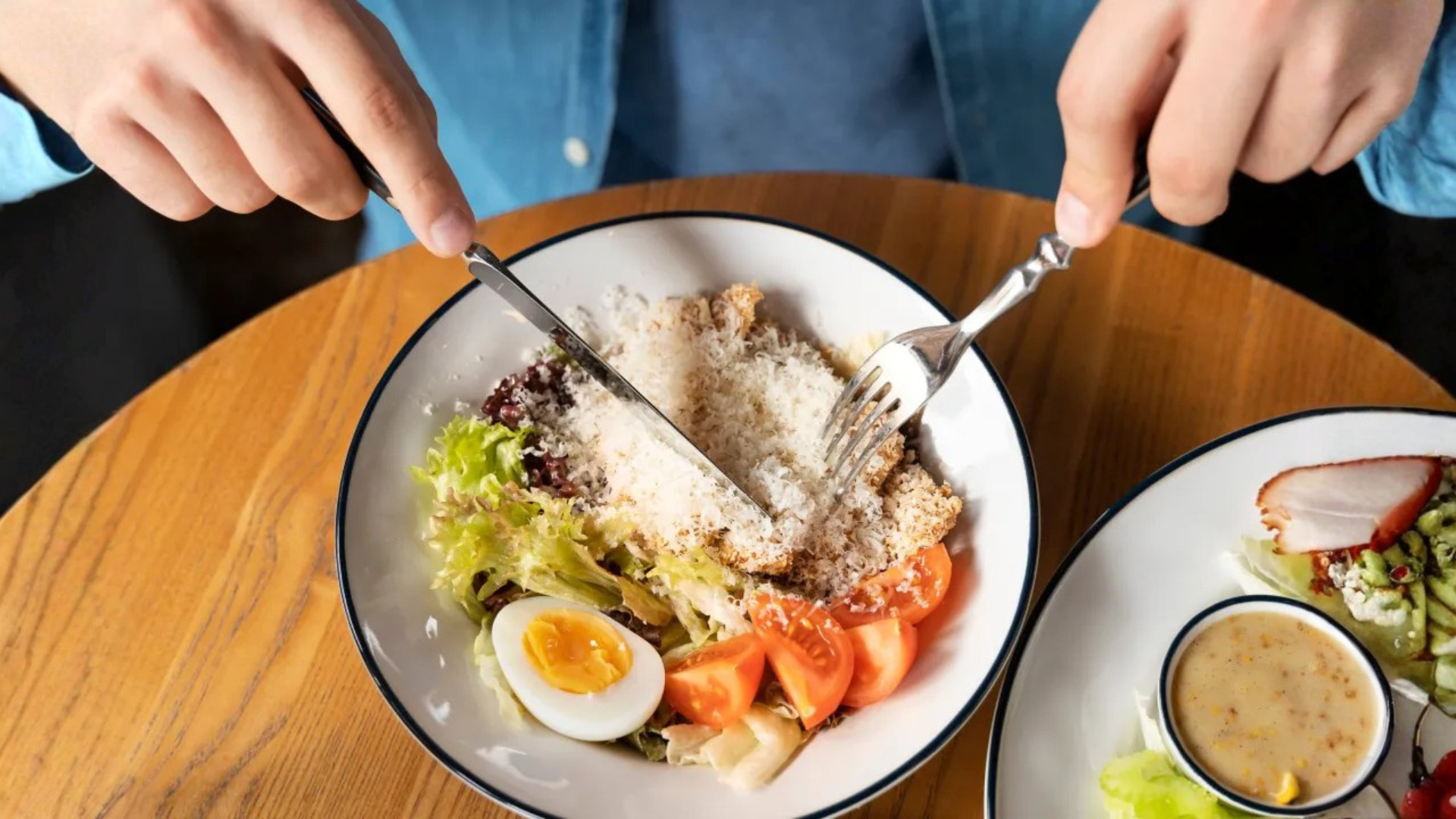
China's food consumption market is undergoing a major structural shift. For the past three decades, growth in the sector has relied on classic "scale economics": a handful of blockbuster SKUs, sold in large pack sizes and distributed nationwide to thousands of households. But this model is now starting to break down amid dramatic demographic changes. On the one side are young consumers living alone, who prioritise freedom and efficiency. On the other are older consumers whose physical needs are evolving and may require more specialised care. This "growth at both ends" social pattern is forcing food companies to rethink their strategies. Growth is no longer just about “selling more”, but about delivering highly targeted products designed around segmented nutritional and convenience needs.
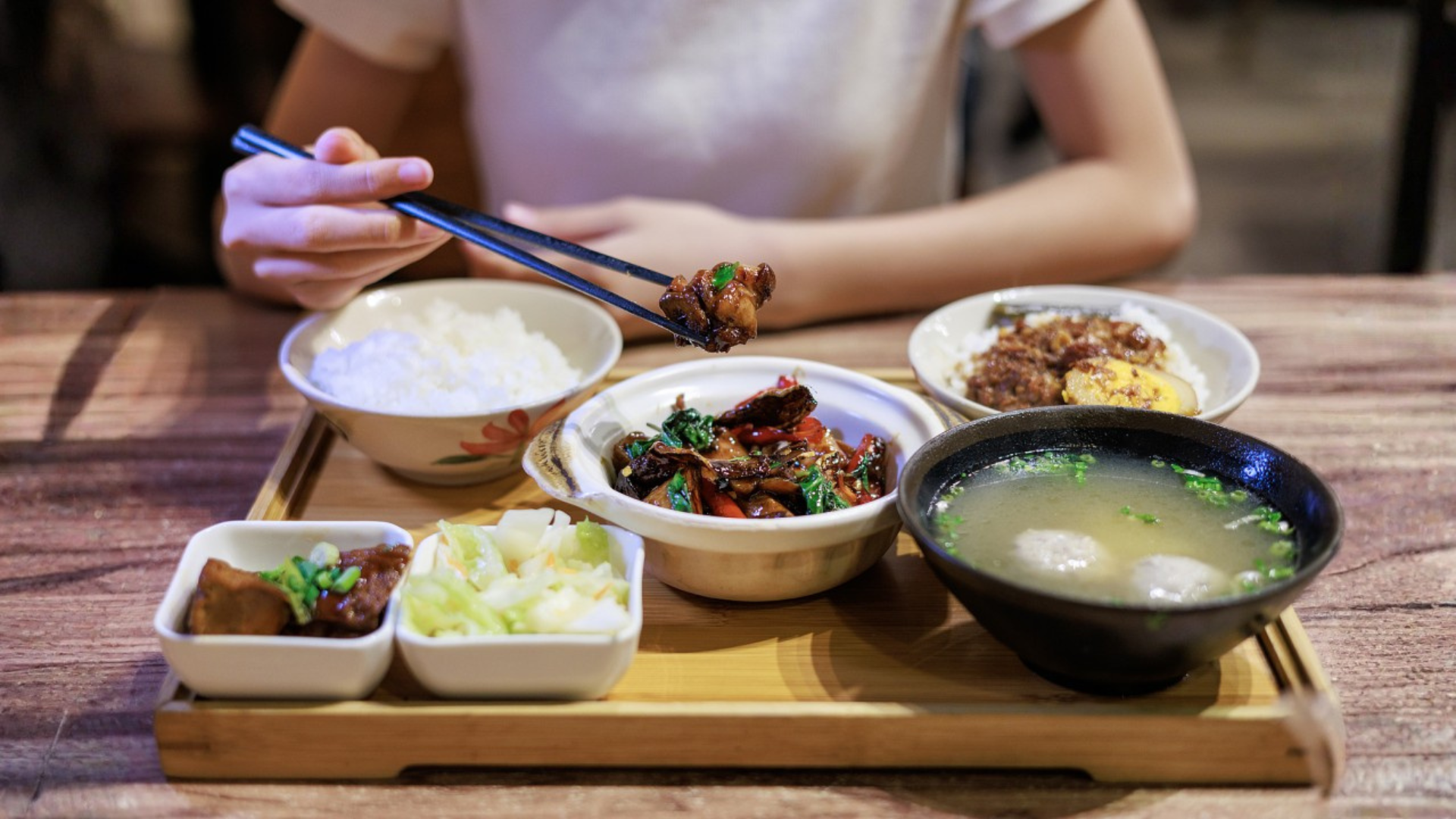
The figures already show just how significant this shift has become. By 2024, China’s “single-person dining” market had reached RMB 800 billion, and it is expected to exceed RMB 1.8 trillion by 2025, with a compound annual growth rate of 15.3%, underpinned by hundreds of millions of young people living alone. Consumers aged 18–30 now account for more than 60% of orders in this segment. In first-tier cities such as Shenzhen, white-collar workers aged 20–35 are especially willing to pay for “self-indulgence” and “efficiency”. That’s also why single-person meal sets launched by major brands have taken off so quickly: they remove the awkwardness of traditional, socially oriented dining.
For this group, product formats need to be “atomised” – think 300 ml mini bottles of alcohol, 1 kg of premium rice packs, and individually wrapped short-shelf-life baked goods. But this shift isn’t just about solving the “I can’t finish it” problem. It’s also about using ready-to-cook (RTC) technologies to help young consumers whip up a meal that still feels intentional in 15 minutes, capturing demand in increasingly fragmented lifestyles.
If the “single economy” represents a niche growth area, then the “silver economy” is the strategic high ground that the food industry must conquer.
The numbers speak volumes: by the end of 2024, China was home to 310 million people aged 60 and above, and by 2035, the silver economy is expected to exceed RMB 30 trillion in value.
But despite its enormous potential, this is far from an easy market to serve.
Food designed for older consumers is not simply a matter of “making everything softer”. Studies show that swallowing difficulties affect as many as 38.7% of elderly people in China, meaning traditional chopping and softening methods are no longer enough to meet safety needs.
The real challenge lies in texture engineering. Leading players are already aligning with the international IDDSI framework (the International Dysphagia Diet Standardisation Initiative). Rather than blindly pursuing “extra soft” textures, they are using bio‑enzymatic breakdown and ultra‑fine grinding technologies to precisely control food texture. The goal is to create foods that are smooth like a purée, and moist and tender like tofu, while still retaining the original flavour and colour of the ingredients. This kind of deep R&D into texture and sensory experience helps brands move beyond low‑end price wars and build strong technical barriers.
At the same time, nutrition in the silver segment is evolving from “basic nourishment” to “targeted intervention”. Given how common sarcopenia and chronic diseases are among older adults, food product development increasingly resembles a form of “non‑pharmacological intervention”.
For example, leading brands are enriching formulas with highly bioavailable whey protein, while adding ingredients like HMB, which helps slow muscle loss. Many are also designing products around low glycaemic index (GI) formulations. By addressing specific physiological needs in this way, food is becoming more than just food—it is being positioned as a “health management tool” that helps older people maintain their quality of life.

Clearly, these two groups have very different needs. But they still share a few core expectations when it comes to food: clean ingredient lists, transparent labelling and ultra‑convenient preparation. On top of this, the strategies brands need for each demographic are completely different.
In practice, the marketing playbooks for these two segments couldn’t be further apart. Younger consumers are constantly looking for variety, novelty and excitement. Weilong is a good example of a brand that understands this dynamic. It doesn’t just rely on spicy flavours to create that addictive appeal; it also uses minimalist “Apple‑style” posters and quirky crossover products – like spicy‑strip rice dumplings – to turn low‑priced snacks into high‑frequency, constantly refreshed “social collectables” that capture the fleeting attention of young people. Hema Fresh is another master of this approach. By launching a steady stream of novel flavours—from luosifen‑flavoured qingtuan to vinegar popping pearls for hairy crab dishes—it taps into young consumers’ love of sensory stimulation and social buzz.
The silver market, however, works very differently. Older consumers tend to value stability and trust. Brands targeting this group need a far more down‑to‑earth approach. Want Want’s “Ai Zhizun” range is a good example. Instead of relying heavily on traffic‑driven marketing, it leans into decades of consumer trust while focusing on practical details like easy‑open packaging and targeted nutrition to deliver “visible assurance”. Similarly, Sanquan’s “food‑as‑medicine” product lines draw heavily on traditional wellness concepts, positioning itself not simply as a food company, but as a trusted partner for long-term health management. For pragmatic seniors, this sense of professionalism and attention to detail is far more persuasive than any flashy slogan.
The contrast between these two groups is striking. Younger consumers want products that can “play along” with them – products that feel fun, fresh and exciting, while older consumers gravitate towards established brands they trust to “hold the bottom line” when it comes to reliability. Both groups care about quality, but the former is paying for novelty, whereas the latter is paying for certainty.
Ultimately, the future of competition in the food industry will no longer be about scale or low costs. It will be defined by which companies can understand and serve specific segments with the greatest precision. Whether that means launching smaller pack sizes and semi‑prepared meals for fast‑paced single young professionals, or following specialised nutrition and texture standards to care for older people at the dining table, the underlying logic remains the same: businesses must go narrower and deeper.
