
 Back to Insights
 23 Jan, 2026
 SPRG Guangzhou
More and more travellers are turning their backs on crowded tourist hotspots in favour of experiences that feel more immersive and meaningful. Since 2025, a quiet shift has been taking place within the travel sector. Now, in 2026, what were once considered niche travel experiences have moved firmly into the mainstream. From pet-friendly trips and intangible cultural heritage (ICH) craft study tours, these alternative travels have been rapidly gaining traction.
Travel, Upgraded: Avoiding the Crowds and Chasing a Sense of "Something Just for Me"
So, what's driving the rise of these niche travel experiences? Let’s break down why these alternative formats have gained such momentum.
Pet-friendly skiing was one of the surprise success stories of late 2025 and early 2026. In the past, travelling with pets presented a familiar dilemma for many people: what to do with their fluffy friend. Things started to change at the end of 2025, when the 17th Pinggu Ice and Snow Season launched the country’s first 20,000-square-metre pet-themed ski park. What started as an experiment quickly captured attention, helping transform pet-friendly skiing from a niche concept into a growing travel trend. Today, many ski resorts are introducing dedicated dog-friendly slopes and snow-play zones to meet the needs of both owners and their pets.
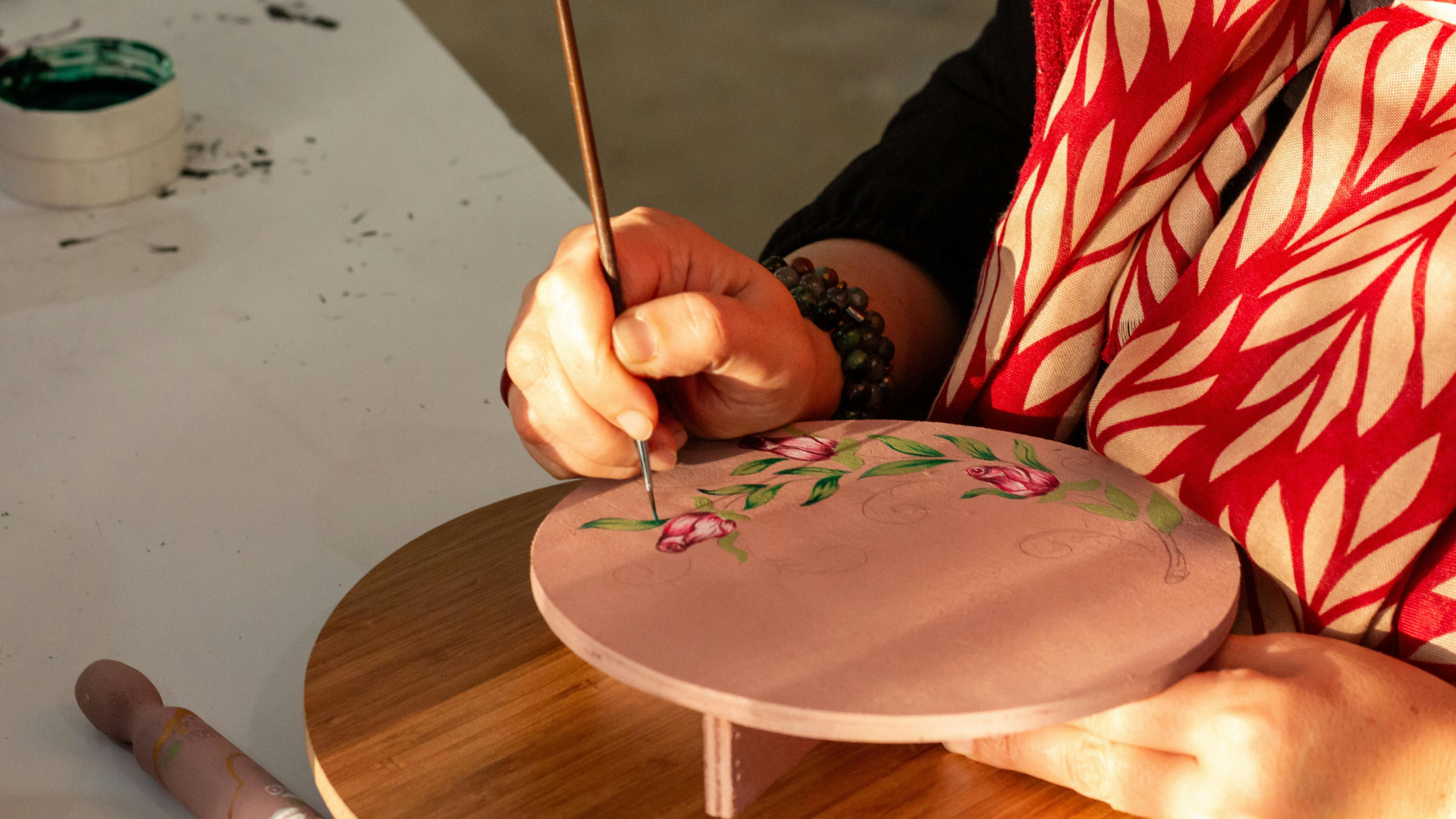
ICH craft study tours appeal to a different set of motivations. While pet-friendly skiing taps into companionship and emotional wellbeing, ICH experiences take a more “meaningful and reflective” approach. As travellers increasingly seek immersive experiences, hands-on intangible heritage workshops are gaining popularity. Instead of simply observing traditional crafts, visitors can actively take part, create something themselves, and take home a tangible reminder of the experience. This has made them particularly popular with young families and younger travellers with a keen interest in traditional culture.
What links these seemingly different travel trends is a common desire for experiences that feel personal, memorable, and uniquely one's own. And the market opportunity is significant. Pet-friendly travel is being fuelled by a RMB 300-billion pet economy, while ICH study tours are benefiting from a study-tour market worth over RMB 1 trillion. Both categories are growing far faster than traditional tourism.

Niche Travel is Taking Off: In 2026, It's All About Experiences
So, why has niche travel moved into the spotlight? The answer lies in a series of deeper shifts in consumer behaviour.
1. Emotional spending and "treating myself" are on the rise
Modern life comes with plenty of pressure, particularly for young people. On top of that, there are more empty nesters and people living alone. As a result, travel has become an important way to relieve anxiety and improve wellbeing. At their core, both pet-friendly trips and ICH craft workshops are about self-care and feeling good. The numbers reflect this growing trend. Research from iiMedia predicts that China’s “emotional consumption” market will reach RMB 2.72 trillion in 2026 and exceed RMB 4.5 trillion by 2029. Niche travel is set to claim a substantial share of that pie.
2. Green consumption is becoming the norm
Sustainability is no longer a niche concern. From subsidies for new energy vehicles to incentives for energy-efficiency appliances, policies are actively encouraging green consumption – and tourism is no exception. Niche travel products are often centred around less commercialised areas, local culture and lower-impact activities. This aligns closely with the shift towards greener consumption and attracts more environmentally conscious travellers.
3. Unique experiences are a priority
Offline consumption is moving from simply buying products to buying experiences. We can see this same pattern in tourism. The appeal of crowded, cookie-cutter attractions is fading. Instead, people are looking for experiences that feel rare and personal. By 2026, this desire for differentiation will be even more pronounced. Research shows that 75.2% of consumers plan to cut everyday spending while still willing to pay for high-value experiences.
From Strategic DigitaLab’s (SDL) perspective, these trends reflect a shift to what could be described as “rational–emotional consumption” logic: consumers compare price and practicality, but are also willing to pay for emotional resonance. Niche travel categories tap directly into the desire for unique, lasting memories.
The Way Forward for Niche Travel: Precise Positioning and Scenario-Based Services
• Precise positioning: focus on one group and its core needs
The most successful niche travel products tend to focus on a very specific audience and solve a very specific problem exceptionally well.
Take pet-friendly skiing as an example. The target audience is clearly defined: pet owners who are willing to travel with their animals, have a certain level of spending power, and care about the quality of their experience. Their core need is equally straightforward: the ability to ski safely and happily with their pets, without being treated differently.
The positioning of ICH craft study tours is also very clear. Their audience consists of travellers who want immersive cultural engagement and are willing to pay for meaningful, content-rich experiences. You can split this audience further into families with children and young adults. For families, the appeal lies in hands-on activities that allow children to learn about traditional culture. Younger travellers, meanwhile, prioritise experiences that feel unique and memorable – something they can document, share, and genuinely connect with.
• Scenario-based services: immersive experiences that create unforgettable memories
Once you’ve got your positioning sorted, the next challenge is creating an experience people genuinely remember. This is where scenario-based services come in. Many similar products on the market stop at delivering the basics. In contrast, true scenario-based design starts from core needs, with every detail carefully refined to create something users want to remember and share.
Through its work with culture and tourism clients, SDL has found that the most successful niche travel projects are often those that deeply embed their scenarios into the lifestyle of their target audience. For pet-friendly travel, this means understanding pet owners’ everyday care habits, while for ICH study-tour experiences, it means recognising how younger audiences discover and share on social media. Only then can an experience really turn into a distinctive memory and a competitive advantage.
PR and Marketing Perspective: How to Amplify Those "Memory Points"
If you want to sell a niche travel product, you not only need to have a strong offering and good services, but also a carefully developed marketing communication strategy. Drawing on SDL’s hands-on experience and market observations, four areas deserve particular attention:
1. Precise reach: go where your target audience is
Don’t “cast the net wide”; focus on the people most likely to care. And this means targeting places that your core audience already gathers. For pet-friendly skiing, that might mean prioritising pet communities and pet influencers. For ICH craft study tours, it could be parenting communities and accounts focused on traditional culture or local lifestyle. At the same time, platforms like Douyin and Xiaohongshu can be used to push light, low‑barrier content, whether it’s an unexpectedly cute moment or a behind-the-scenes look at the craft-making process. Visitors can also be encouraged to share vlogs and social posts of their experiences to create a loop of “experience → sharing → attraction”.
2. Content is king: share real experiences and emotional value
Skip the grandiose slogans and focus instead on “memory points” and emotional resonance. For example, pet-friendly skiing can capitalise on the “300 million people on the ice and snow” social trend, while ICH study tours can tap into growing interest in preserving traditional culture, offering the unique appeal of creating your own piece of intangible heritage and taking a piece of culture home. SDL believes that authentic user stories and vivid descriptions of real experiences are far more persuasive than empty taglines, and are more likely to trigger organic reposts and word-of-mouth recommendations.
3. Get people talking: turn customers into advocates
For niche travel offerings, recommendations from early users can be one of the most powerful sources of growth. Because niche travel audiences are relatively concentrated, word of mouth often has a more direct impact than in mass tourism.
Invite KOCs within your target segment to take part in free trials and share their honest experience. The emphasis should be on authenticity rather than scripted praise. Encourage on‑site visitors to post on social platforms, and take negative feedback seriously by responding quickly and resolving issues in practice to prevent bad reviews from snowballing.
4. IP-led collaborations: breaking beyond the niche
Cross‑industry collaborative partnerships can also help niche travel brands reach new audiences and boost buzz and brand recognition. For example, ICH projects could team up with popular anime franchises or guochao (国潮 – new Chinese style) IPs to create limited edition cultural products. Similarly, pet-friendly ski resorts could work with pet food or pet supplies brands to launch co-branded accessories that appeal to their customers.
2026: In Travel, Memories Matter Most