
 Back to Insights
 16 Mar, 2026
 SPRG Guangzhou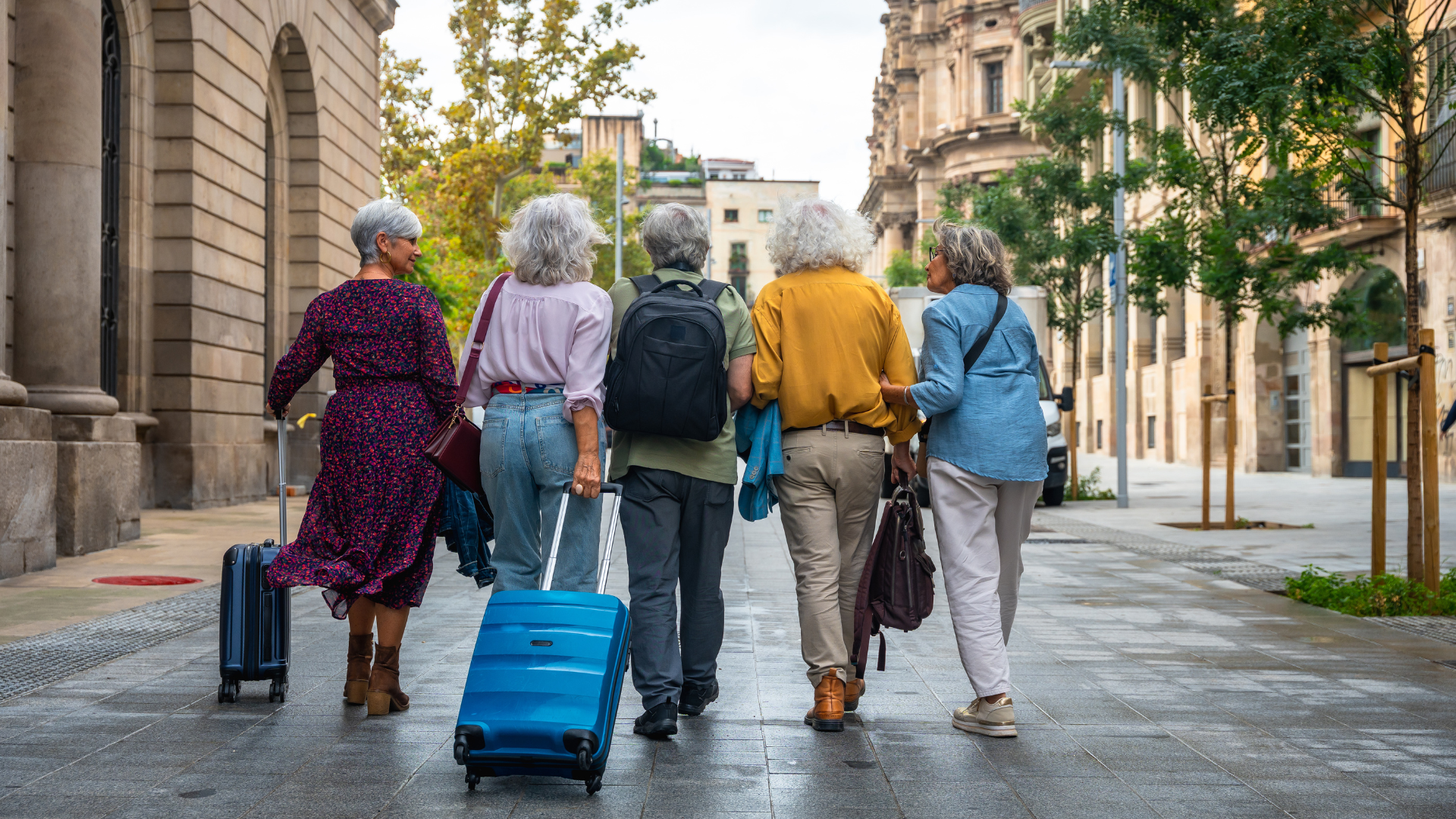
The consumer market is undergoing some deep and intriguing shifts in 2026. A quick scroll through your WeChat Moments tells much of the story. One aunt proudly shares a video of herself playing a RMB 3,000 electronic wind instrument. Another relative posts about newly upgraded home appliances bought with “trade‑in” subsidies. Meanwhile, at the supermarket, older shoppers carefully check ingredient lists to find better‑quality snacks, while younger consumers happily fork out for aromatherapy and fitness classes.
On one side, you have the country’s “new seniors” who are more willing to spend generously on hobbies and quality of life than previous generations. On the other is a growing group of consumers focused on emotional value and self‑indulgence. Meanwhile, policy‑driven “trade‑in” spending is quietly moving upmarket.
These three trends may look very different on the surface, but together they are creating a new wave of demand.
01 Where is this wave coming from?
These three trends are no longer niche behaviours on the fringes of the market. They’ve moved firmly into the mainstream and are increasingly reinforcing one another.
1. Silver economy: "cheap" is an outdated stereotype
It’s time to drop the idea that older consumers only care about saving money.
China’s silver economy is now worth an estimated RMB 7 trillion, and the spending habits of older consumers are changing rapidly. Take Shanghai as an example. It’s very common to see older diners spending RMB 200-300 per head at established restaurants. They’re buying RMB 100 pastries, RMB 3,000 electronic wind instruments, and choosing all‑inclusive travel packages that prioritise experience. Their consumption logic is no longer based on survival‑oriented spending. Instead, they’re spending on enjoyment and high-quality products and services.
They’re not looking for the lowest price, but rather good value for money. For them, quality and experience now carry more weight than simple discounts.
2. "For myself" consumption: from youth trend to mainstream mindset
The idea of “treating yourself” is no longer associated exclusively with the young.
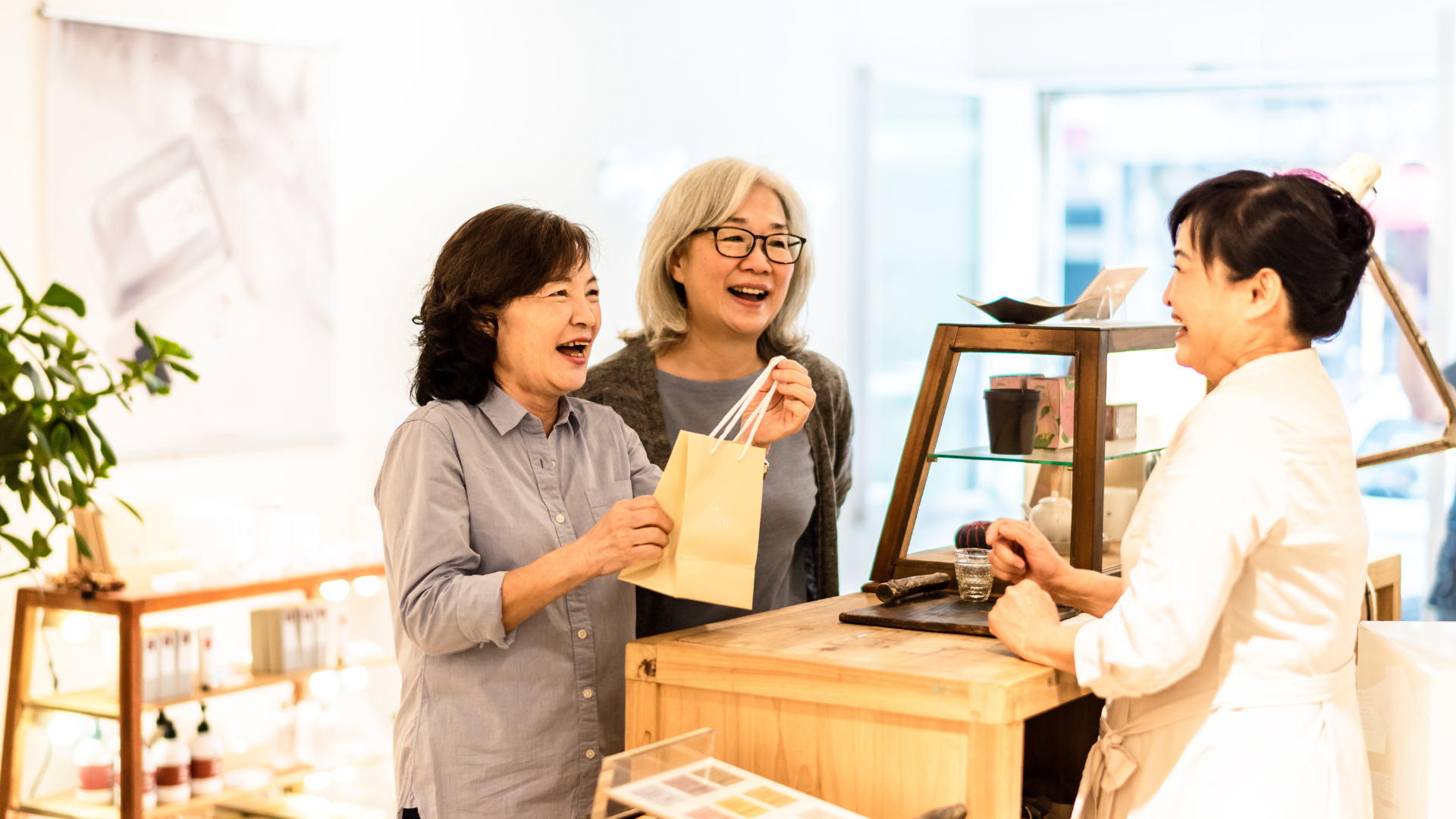
This year, “self‑indulgent” or “for myself” consumption has repeatedly appeared in local government work reports, signalling that this trend now spans all age groups. A 68‑year‑old photography enthusiast is willing to spend RMB 40,000 on equipment to photograph birds. Middle‑aged women are happy to pay RMB 300 for perfume samples. Female consumers are directing more of their budget to health and emotional wellbeing, while young people are spending on mini‑breaks and wellness courses.
This is what "for myself" consumption really means. At its core, this type of spending is about emotional value and personal growth. It’s driving rapid growth in premium services and products and has become a key engine of consumption upgrading.
3. Trade‑in programmes: from policy incentive to market norm
As early as 2025, trade‑in policies helped generate more than RMB 4.16 trillion in sales. During the 2026 Spring Festival period alone, consumer goods trade-ins contributed RMB 207.03 billion in sales and benefited over 30 million people. Products such as smart glasses and energy‑saving appliances have seen particularly strong growth, suggesting that people aren’t just replacing old products but also upgrading their lifestyle.
And the momentum is far from over. At this year’s National People’s Congress, the Central Government announced the issuance of ultra‑long special treasury bonds – totalling RMB 250 billion – to support consumer goods trade-in programmes. This means that replacement demand for big‑ticket items like home appliances and cars is likely to continue growing, backed by national subsidies. Just as importantly, the policy focus remains firmly centred on green and smart products. Consequently, this isn’t just about stimulating spending; it’s a clear effort to accelerate industrial upgrading and encourage environmentally conscious consumption.
This year’s Government Work Report placed “expanding domestic demand” right at the top of the agenda and explicitly identified consumption as the primary driver of economic growth. It also highlighted the need to develop the silver economy, promote “for myself” consumption and advance trade‑in schemes. In other words, the three trends we've discussed are increasingly being reinforced by both market demand and policy support. The Ministry of Commerce has already laid the policy groundwork to support these trends, and it is fair to expect the policy tailwind will continue; hence, businesses would be wise to take advantage.
02 Marketing Innovation: Four Ideas Worth Exploring
• Tell stories based on emotional value
Consumers don't connect with product specs; show real-life moments. Create short videos of older customers learning to play electronic wind instruments, friends gathering at refined restaurants, or people enjoying the convenience of a newly upgraded kitchen through trade‑in schemes. Use authentic, joyful snapshots of everyday life to trigger emotional resonance with consumers.
• Build trust to remove doubts
Highlight quality certifications and share genuine reviews. For example, clearly present age-friendly certifications on labels of products for seniors, and show test reports for food items to build credibility through professional verification. At the same time, make real customer experiences visible. Real feedback from users is far more persuasive than any self-promotion from a brand.
• Combine online communities with offline experiences
Online: Build WeChat communities and move beyond pure hard‑sell tactics. Share health tips and hobby tutorials, and use these to invite people to offline events. Earn trust through professionalism and care before making product recommendations. For the “for myself” consumer segment, publish product reviews and lifestyle content on Xiaohongshu and Douyin to reach target audiences more accurately.
Offline: Run small experience classes or workshops to allow consumers to interact with products naturally and lower the barriers to purchase. For older consumers, partnerships with community centres and senior universities can provide effective channels for taster sessions and hobby classes. At the same time, produce simple, easy‑to‑understand explainer videos for short‑video platforms so younger generations can introduce products to their parents and grandparents.
• Leverage policy "hot topics" and amplify real word of mouth
Policy leverage: Rather than treating subsidies as background information, make them a visible part of the customer proposition. Labels like “eligible for national trade‑in subsidies” or “top-tier energy efficiency, save RMB XXX a year” position policy incentives as powerful promotional hooks. Clearly highlight subsidy amounts and application steps so consumers can see the savings at a glance. Where possible, align with official initiatives and become an authorised trade‑in partner to boost brand credibility.
Amplify real word of mouth: Actively encourage users – especially middle‑aged and older customers – to share their experiences and purchases on social platforms to drive organic advocacy. At the end of the day, a genuine recommendation from a peer is far more convincing than any ad.
03 Conclusion
As we move through 2026, both the policy direction and shifts in consumer demand are becoming increasingly clear. The silver economy, “for myself” consumption, and trade‑in programmes are not three isolated trends; together, they paint a broader picture of a market that is becoming more rational, more quality‑oriented, more experience‑driven, and more willing to invest in self‑improvement.
