
 Back to Insights
 17 Apr, 2026
 SPRG Guangzhou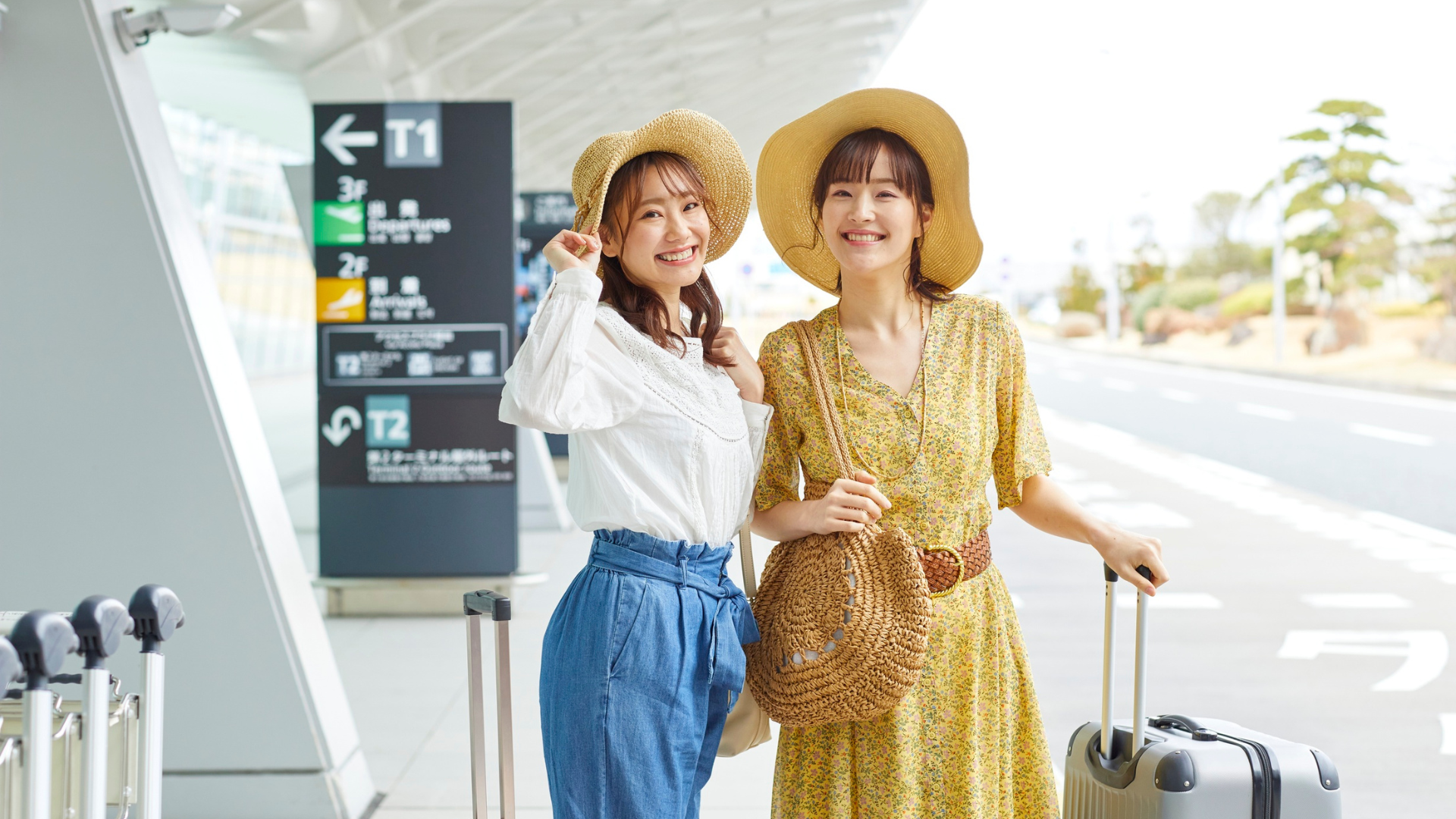
For years, people have talked about the rise of the "she economy". But in travel, that trend is no longer emerging – it's already here. From spontaneous solo getaways to carefully curated "quality‑first" trips, female travellers are redefining what travel looks like in 2025 and beyond. Preferences may vary across age groups, but one thing is clear: women are increasingly driving demand, setting trends and embracing technologies like AI to usher in a golden era that is becoming a core engine for unlocking a trillion-RMB growth opportunity in tourism.
Women in the Lead
Spending Power Meets Decision-Making Influence
Women’s influence on the travel market has moved well beyond a niche trend – they have become its undisputed protagonists. According to data compiled by Strategic DigitaLab (SDL), China’s female travel market reached RMB 1.55 trillion in 2025, up 12.3% year on year and accounting for 58% of total tourism spending. On the decision-making side, women now play a leading role across multiple categories. In family travel, they drive more than 68% of booking decisions. In parent‑child travel, they account for 54.4% of decision-makers. For group trips, women make around 53% of all bookings. The full recovery of outbound travel in 2026 is further amplifying this trend. Forecasts suggest that Chinese outbound trips will exceed 220 million in 2026, with women serving as the main driving force behind this growth.

Solo Travel Goes Mainstream
Fly Smart, Stay Well: Savvy Spending for Self‑Care
Travelling alone isn’t just for youngsters. Women of all ages are increasingly embracing solo travel, and they’re doing so with a combination of high standards, flexibility and confident decision-making. According to Qunar’s 2026 Women’s Travel Report, between March 2025 and March 2026 the number of women checking into hotels alone rose by 63% year on year, while the number of women taking solo international flights increased by 34%.
Women aged 30–50 remain the core solo‑travel segment, representing 67% of solo hotel check‑ins, with women aged 41–50 showing the fastest growth at 72%. Older women are also joining the trend: the number of women aged 55 and above taking solo outbound flights grew by 44%, while women aged 60 and above are showing a clear preference for relaxation‑focused destinations like Haikou and Sanya.
What makes solo female travellers particularly interesting is the way they balance practicality with self‑indulgence. Compared with male travellers, they spend around 2% less on airfare, but are more willing to spend more on accommodation, with their average hotel spend 20% higher than that of their male counterparts. Around 66% of solo women choose three‑star or above hotels, and bookings for four‑star and above have increased by more than 80% year on year. They’re also extremely decisive. The time taken to confirm a booking is 20% shorter for female travellers overall, making spontaneity the new normal.
When it comes to destinations, many women are travelling beyond the usual tourist hotspots. Trips to small lesser‑known cities with distinctive character and short‑haul escapes are becoming particular favourites. Domestic routes to places like Chengdu and Lijiang have seen ticket volumes grow by nearly 50%, making them top choices for weekend breaks. Meanwhile, international solo travellers are frequently favouring flights from major cities to destinations like Thailand, South Korea, Hong Kong and Macao, with routes to Yantai, Seoul, Guangzhou and Chiang Mai all seeing sharp increases.

Clear Generational Differences
From Mystery-Ticket Fun to High-End Adventure
While women are collectively shaping the future of travel, different age groups have varying travel needs and preferences. This creates a diverse landscape where Gen Z travellers are chasing novelty, Millennials are prioritising quality, and older women are embracing worldwide exploration. This pattern is clearly reflected in the 2026 Women’s Travel Consumption Report from Tongcheng Travel.
• Post‑95 / post‑00 – the “new” generation
These travellers focus on spontaneous, self‑indulgent trips, with decision-making cycles as short as 3–7 days. They’re particularly enthusiastic about surprise-driven products such as mystery flight and hotel packages. More than 30% have purchased “blind box” travel products. They’re actively seeking experiences that feel niche, unique and highly shareable. In fact, 45% of county‑level and small‑city specialty trips are booked by this group. Period‑style photo shoots, cultural heritage workshops and immersive theatre experiences rank among their most popular activities. Another major trend is the rise of the cross‑city concert trip. Over the past year, post‑95 and post‑00 women visited more than 100 cities across China to attend concerts, sometimes travelling up to 3,500 kilometres. More than 70% choose hotels close to concert venues, helping drive a 38% year-on-year increase in related accommodation bookings.
• Post‑80 / post‑90 - the “middle” generation
Women born in the 1980s and 1990s remain the dominant spending force in the travel market, accounting for around 60% of total female travel expenditure. They not only lead 73% of parent‑child travel bookings and 59% of trips taken with parents, but are also more willing to pay a premium for peace of mind and better experiences. Data shows that post‑80 and post‑90 women account for 46% of bookings for boutique small‑group tours and customised experiences – 10% higher than men of the same age. They are also key customers for luxury Korean hotels and boutique guesthouses, carefully balancing the needs of the family with their own enjoyment.
• Post‑60 / post‑70 - the “silver” generation
This age group has become the most dynamic growth segment in the travel market, with bookings up 128% year on year. And they’re challenging many traditional assumptions about older travellers: rather than sticking to conventional sightseeing, many are seeking new adventures. They account for 47% of cruise passengers, with Arctic routes emerging as a new favourite. Seoul, Hong Kong and Bangkok also rank among their preferred international destinations. As their financial independence and health awareness increase, more “silver‑age” women are venturing out into the world on their own terms, redefining what retirement travel can look like.
AI‑Powered Travel
Balancing Human Expertise with Smart Tools
Digital transformation is changing the way women travel, with many increasingly embracing AI as a trusted planning partner. Smart tools and professional services are working together to build a travel ecosystem that is efficient, safe and personalised.
Tongcheng’s data shows that more than 60% of travel-related enquiries made by women happen at night, highlighting the growing role of AI‑driven planning tools as a key support. Whether it’s building an itinerary, comparing flight and hotel prices, checking a destination’s safety information or overcoming language barriers, AI is helping women make decisions faster and with greater confidence. For solo female travellers in particular, features like real‑time navigation, location sharing, and one‑click emergency assistance are helping to make travel feel safer and more accessible.
At the same time, travel services themselves are becoming more “female‑centric”. According to Ctrip, women now account for over 65% of key tourism service roles, including travel designers and trip concierges. Their attention to detail and deep understanding of customer needs are helping to drive a more bespoke approach to customer service. From recommending the most suitable room types in high‑end hotels to crafting routes for lesser-known destinations, these professionals are helping women travellers create experiences that feel genuinely tailored to their needs and wants.